Blog
Why Sourcing Reconditioned Marine Spare Parts from Chittagong Shipbreaking Yard is Cost-Effective & Reliable

In the maritime industry, vessel downtime translates directly to financial loss. When main engine components, auxiliary sets, or automation systems fail, ship owners, technical superintendents, and fleet managers face a critical decision: pay premium prices for brand-new OEM parts with long lead times, buy cheap aftermarket copies, or source high-grade reconditioned spare parts.
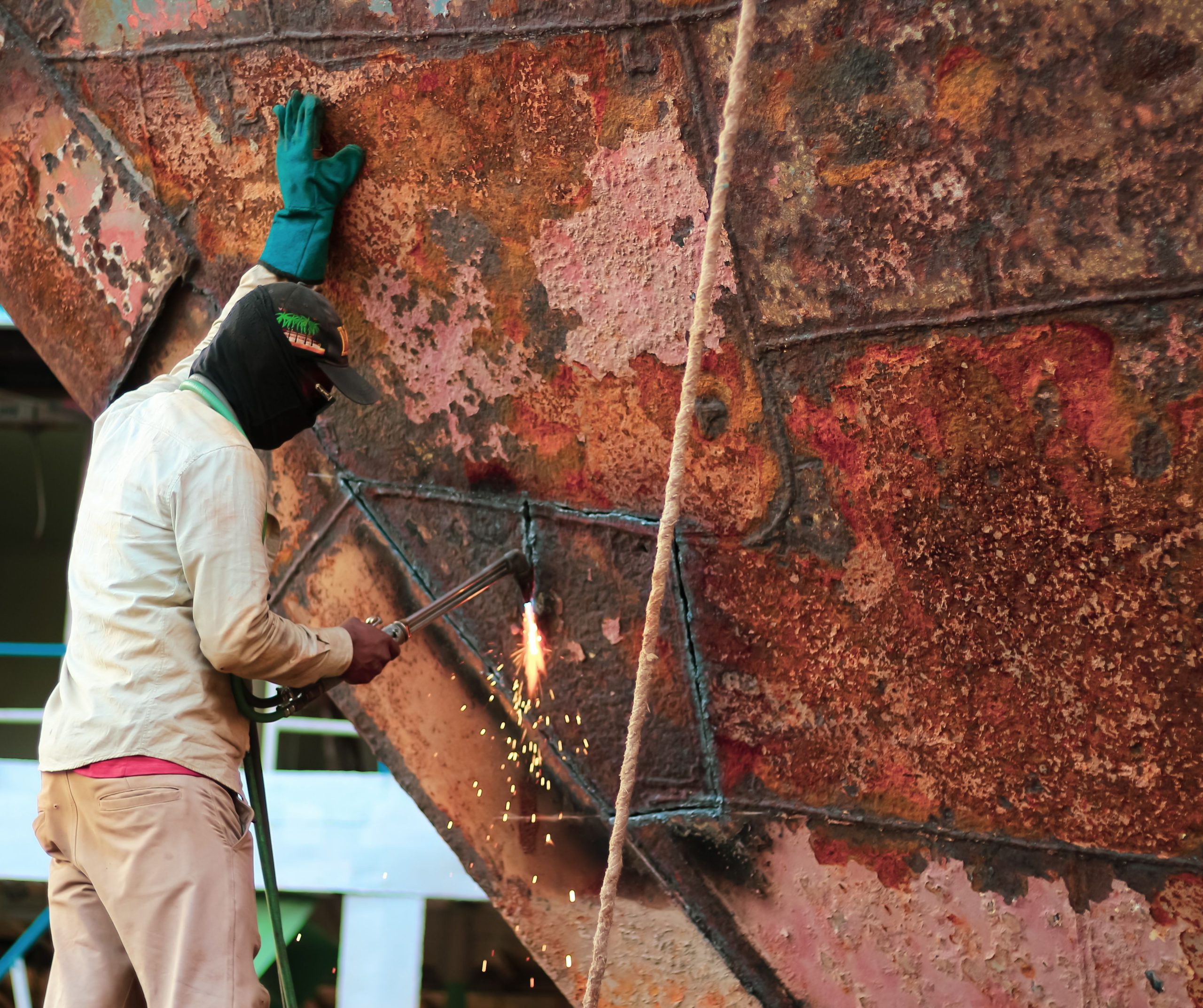
For decades, the Chittagong Shipbreaking Yard in Bangladesh—one of the world’s largest ship recycling hubs—has been a global powerhouse for genuine marine equipment. Sourcing reconditioned marine spare parts from Chittagong offers an unmatched balance of affordability, authenticity, and operational safety.
1. Massive Cost Savings (50% to 70% Off OEM Prices)
Brand-new components from original equipment manufacturers (OEMs) often come with high price tags and lengthy manufacturing lead times. Sourcing reconditioned marine parts allows ship operators to:
- Reduce Capital Expenditure: Save up to 70% compared to new factory-direct parts.
- Optimize Fleet Budget: Allocate saved maintenance budgets toward overall vessel upgrades and emergency repairs.
- Avoid Lead-Time Delays: Access ready-to-ship inventory immediately rather than waiting months for new factory production.
2. Genuine OEM Metallurgy & Quality
One of the biggest risks in marine maintenance is using third-party aftermarket copies. Aftermarket parts often use inferior alloys that fail under high thermal and mechanical stress inside a vessel’s engine room.
Parts sourced from ship recycling yards in Chittagong originate from working vessels built in top-tier shipyards across Japan, South Korea, and Europe.
- Original Metallurgy: You get the exact high-tensile strength steel, specialized alloys, and thermal resistance designed by original makers like MAN B&W, Yanmar, Daihatsu, Wärtsilä, and Sulzer.
- Proven Endurance: These components have already proven their durability in real sea-going conditions under strict class societies.
3. Extensive Inventory for Discontinued & Vintage Engine Models
As marine engine manufacturers introduce newer engine series, they gradually discontinue spare part production for older vessel models.
Finding replacement cylinder liners, pistons, turbocharger casings, or mechanical governors for 15 to 20-year-old vessels can be extremely challenging through standard supply chains. Chittagong’s vast inventory acts as a living archive of marine engineering, providing access to hard-to-find components for vintage and legacy engines.
4. Rigorous Inspection, Testing & Reconditioning Standards
Reputable suppliers in Chittagong do not simply harvest parts and ship them out. Before any component is cleared for delivery, it undergoes a comprehensive quality assurance process:
- Nondestructive Testing (NDT): Ultrasonic testing, magnetic particle inspection, and liquid penetrant testing to identify micro-cracks or material fatigue.
- Dimensional Calibration: Micrometer measurements of cylinder liners, crankshaft journals, and piston crowns to ensure tolerances match factory specs.
- Pressure & Dynamic Testing: Hydraulic pressure testing for heads and coolers, along with dynamic balancing for turbocharger rotors.
5. Strategic Logistics Hub for Fast Global Supply
Located on major Indian Ocean shipping routes, Chittagong features a well-established logistics network for international maritime supply. Whether your vessel needs an emergency air-freight delivery of a governor in Singapore, a container shipment of engine spares to Rotterdam, or direct delivery to a ship calling at Chittagong or Mongla port, parts can be packed, certified, and dispatched rapidly.
Conclusion: Sourcing Smarter with TechPortMarine
Sourcing reconditioned marine equipment is no longer just a budget-conscious decision—it is a strategic operational choice. By leveraging genuine OEM parts reclaimed from ship recycling yards, you protect your engine’s integrity while keeping operational costs low.